
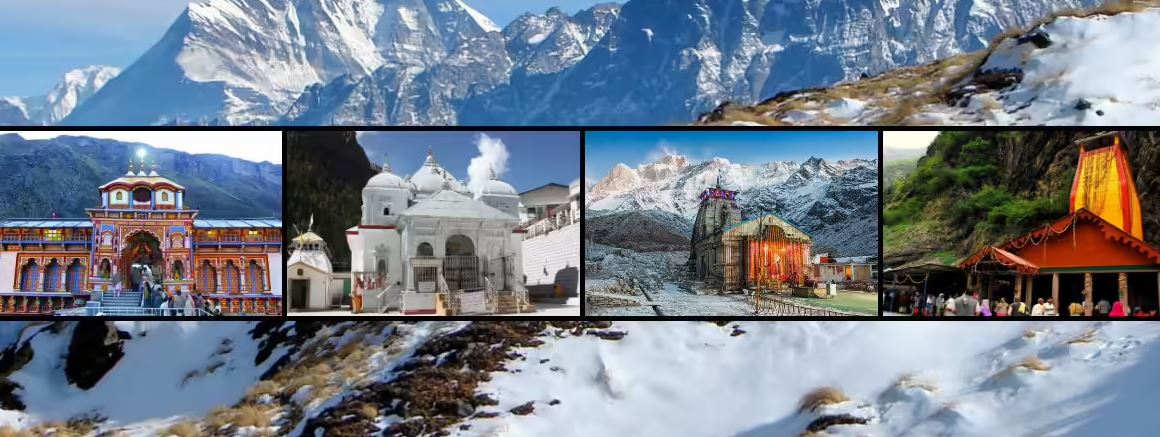
The Char Dham pilgrimage is usually associated with summer months, busy roads, and long queues. But beyond the regular season lies a quieter and deeply spiritual journey known as the Winter Char Dham Circuit. During winter, when heavy snowfall closes the original shrines, the divine presence is shifted to sacred winter seats across Uttarakhand. These towns remain accessible, calm, and spiritually charged. The experience feels slower, more personal, and deeply meditative. Winter towns also offer warm stays, peaceful surroundings, and basic comforts for pilgrims seeking a soulful Himalayan journey.
The Winter Char Dham Circuit begins after the ceremonial closing of the main shrines. According to tradition, the idols (Utsav Murti) of the deities are moved from high-altitude temples to lower Himalayan locations for winter worship. This allows devotees to continue prayers even when snow blocks access to the original temples. Unlike the summer pilgrimage that involves trekking and high-altitude travel, the winter circuit is road-based and less physically demanding. It is ideal for senior citizens, spiritual seekers, and travellers who prefer peace over crowds. Those interested in rituals, temple traditions, and local culture find winter journeys more meaningful and calm.
Importance of Winter Seats of Char Dham Temples
The winter seats play a vital role in preserving the spiritual continuity of the Char Dham Yatra. These temples are not substitutes but sacred extensions of the original shrines, where daily worship continues throughout winter.
Omkareshwar Temple, Ukhimath - Winter Seat of Kedarnath
Omkareshwar Temple in Ukhimath becomes the winter home of Lord Kedarnath. The idol is brought here with full Vedic rituals after Kedarnath closes.
Narsingh Temple, Joshimath - Winter Seat of Badrinath
Narsingh Temple is where Lord Badri is worshipped during winter. The temple is linked to powerful legends of Lord Vishnu and Adi Shankaracharya.
Ganga Temple, Mukhba - Winter Seat of Gangotri
During winter, Goddess Ganga is worshipped at Mukhba village near Harsil. The spiritual atmosphere here is calm and pure.
Yamuna Temple, Khushimath - Winter Seat of Yamunotri
Khushimath becomes the winter seat of Goddess Yamuna. Devotees believe winter darshan here removes obstacles and brings inner balance. The temple surroundings are serene, offering a quiet spiritual connection.
Winter Char Dham Circuit Itinerary – 4 Nights & 5 Days
Day 1 - Haridwar/Rishikesh to Ukhimath
The journey begins via Devprayag and Rudraprayag. After reaching Ukhimath, devotees attend Omkareshwar Temple darshan and evening aarti. Overnight stay in Ukhimath.
Day 2 - Ukhimath to Joshimath
A scenic Himalayan drive leads to Joshimath. Visit Narsingh Temple for winter Badrinath darshan. Explore the town’s spiritual landmarks. Overnight stay in Joshimath.
Day 3 - Joshimath to Harsil/Mukhba
Drive through the Uttarkashi region. Visit the Ganga Temple in Mukhba and experience the calm of Harsil Valley. Overnight stay in Harsil.
Day 4 - Harsil to Kharsali/Khushimath
Proceed to Kharsali for the Yamuna Temple winter darshan. Enjoy the quiet mountain environment. Comfortable hotel stay.
Day 5 - Kharsali to Haridwar/Rishikesh
Return journey with a spiritual sense of completion and peace.
Best Time to Plan the Winter Char Dham Yatra
The ideal time is from November to March. Roads remain mostly open, though light snowfall is common. Compared to summer, crowds are very limited, making darshan smooth and relaxed. The weather stays cold but manageable with proper clothing.
Char Dham Hotels During Winter
During winter, Char Dham Hotels mostly include budget properties, guesthouses, homestays, and GMVN lodges. Rooms are basic but clean and warm. Facilities usually include heaters, hot water, simple meals, and local hospitality. Since options are limited, advance booking is always recommended. Choosing centrally located stays helps reduce travel stress during cold evenings.
The Winter Char Dham Circuit offers a deeply spiritual experience away from noise and rush. It allows pilgrims to connect with the divine in silence, surrounded by Himalayan stillness. Experiencing the Char Dham beyond peak season brings clarity, peace, and a sense of fulfilment that stays long after the journey ends.
